
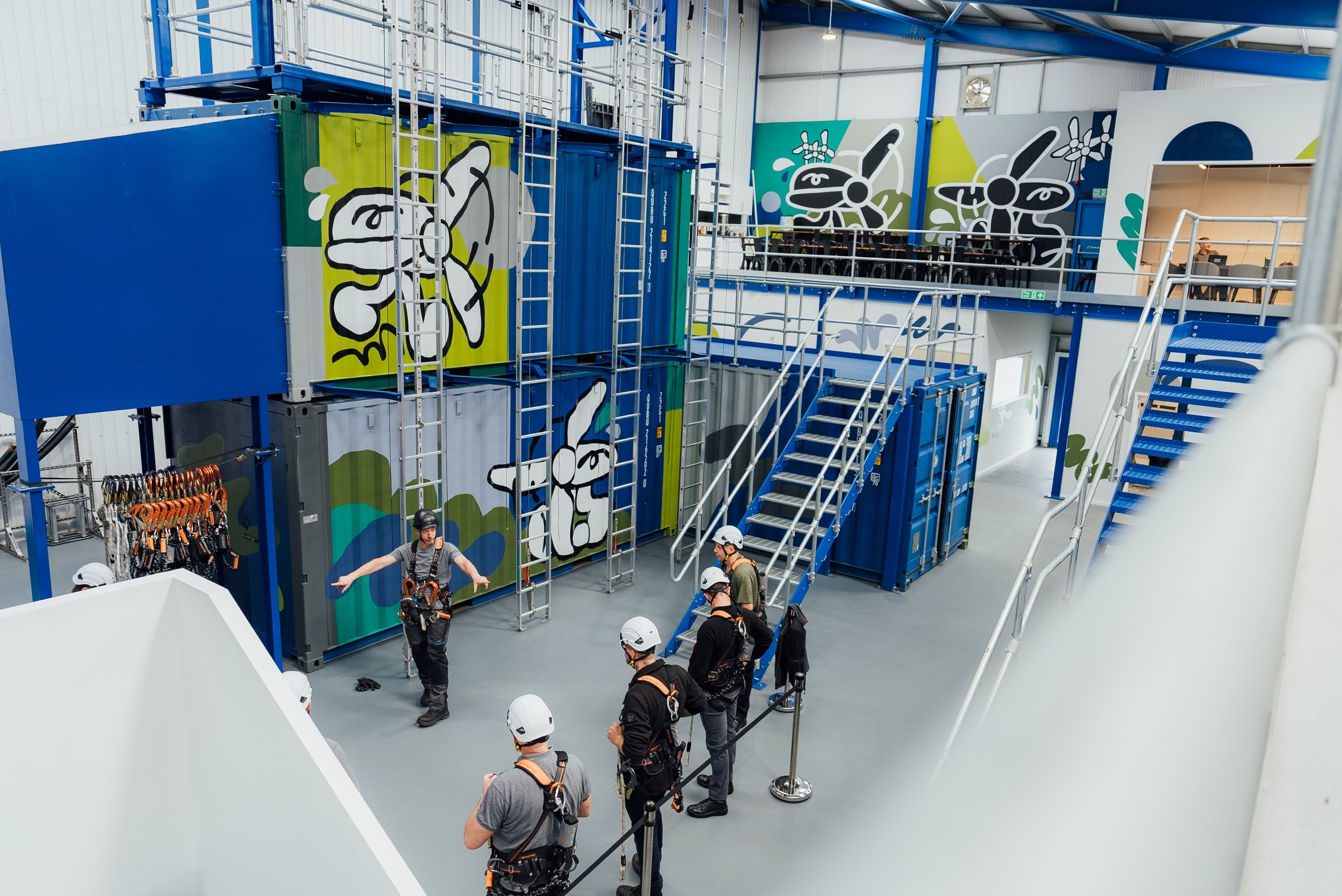
Local training, Global opportunities
Technical and Safety Training for the Offshore Wind Industry, supporting employers, new entrants and those looking to upskill for professional development.
GWO safety Courses
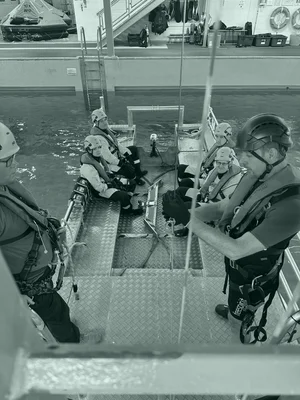
GWO - Basic Safety Training
Duration: 5 Days | 3 Day Refresher
location: Blyth
Overview: The combined five mandatory Global Wind Organisation training courses that introduce participants to the wind industry taken over 5 days.
- GWO Fire Awareness
- GWO First Aid
- GWO Working at Height
- GWO Manual Handling
- GWO Sea Survival
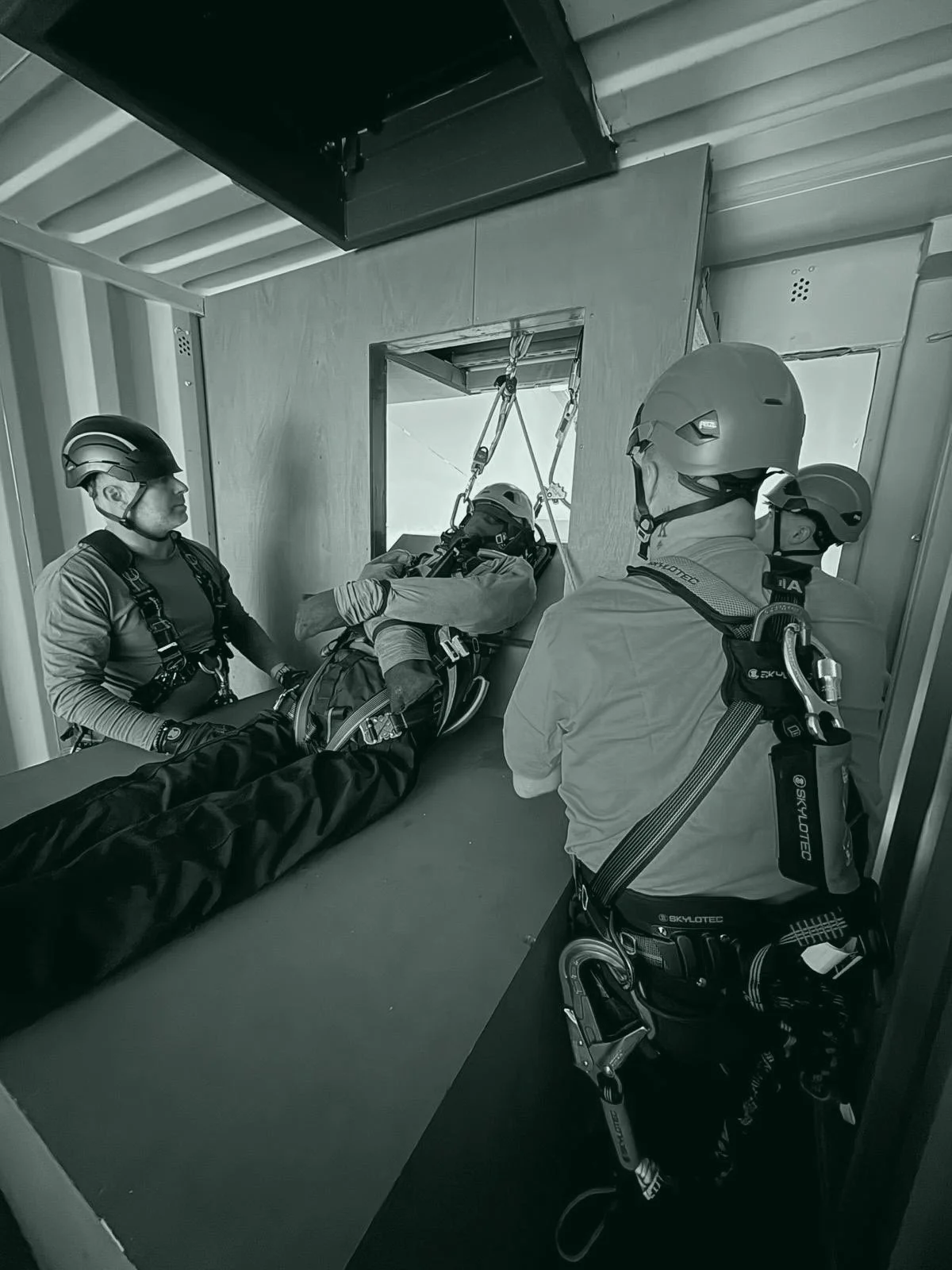
GWO - Advanced Rescue Training (ART)
Duration: 3 Days
location: Blyth
Overview: Advanced Rescue Training (ART) enables participants to perform entry-type injured person rescue operations, using industry standard rescue equipment, rescue methods and techniques, exceeding those learned in GWO BST - Working at Height.
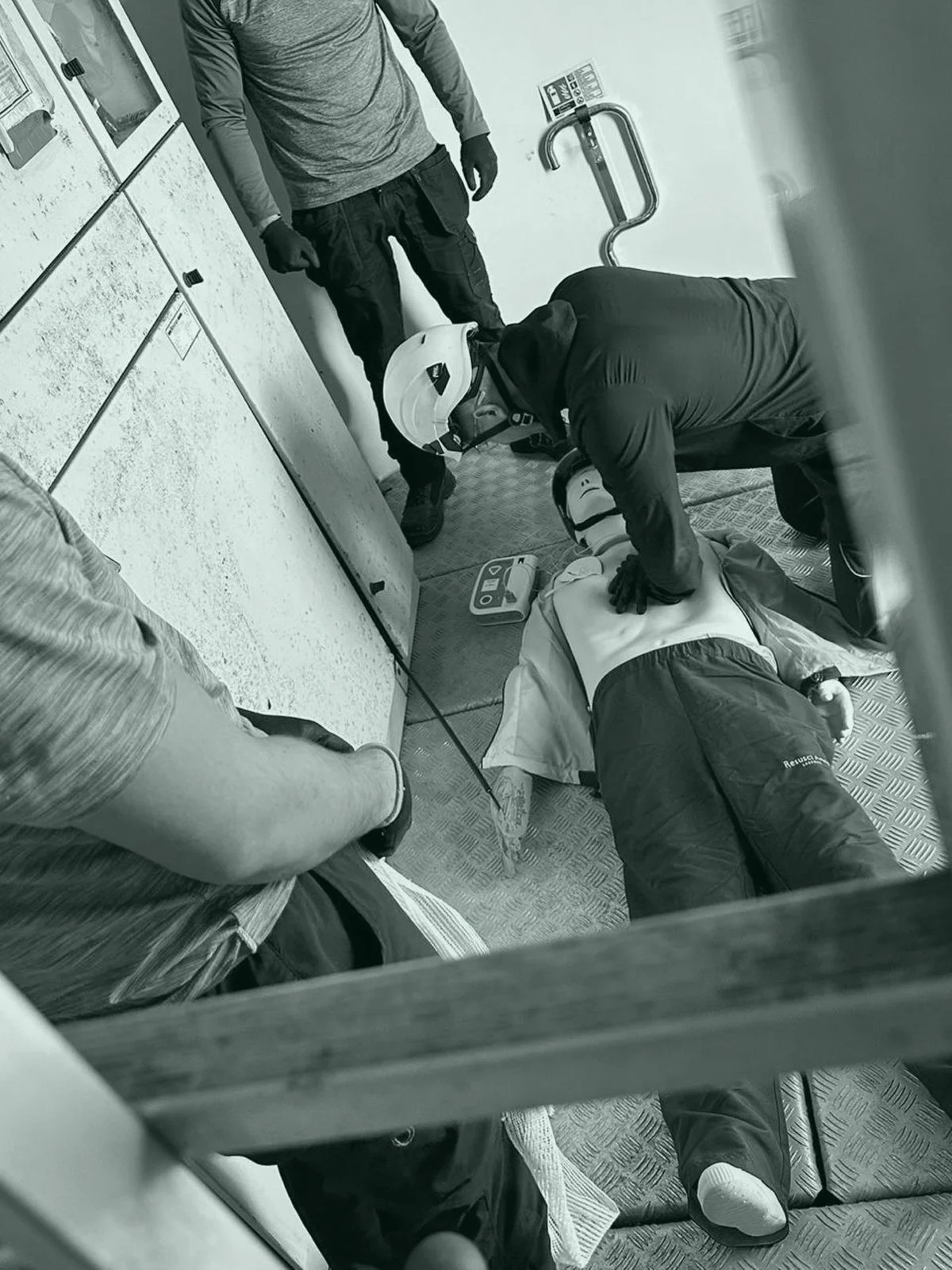
GWO - Enhanced First Aid (EFA)
Duration: 3 Days | 2 Day Refresher
location: Blyth
Overview: This 3 day course teaches how to administer safe and effective Enhanced First Aid in the wind turbine industry/ WTG environment, in accordance with GWO Enhanced First Aid Standard, through theoretical and practical training.
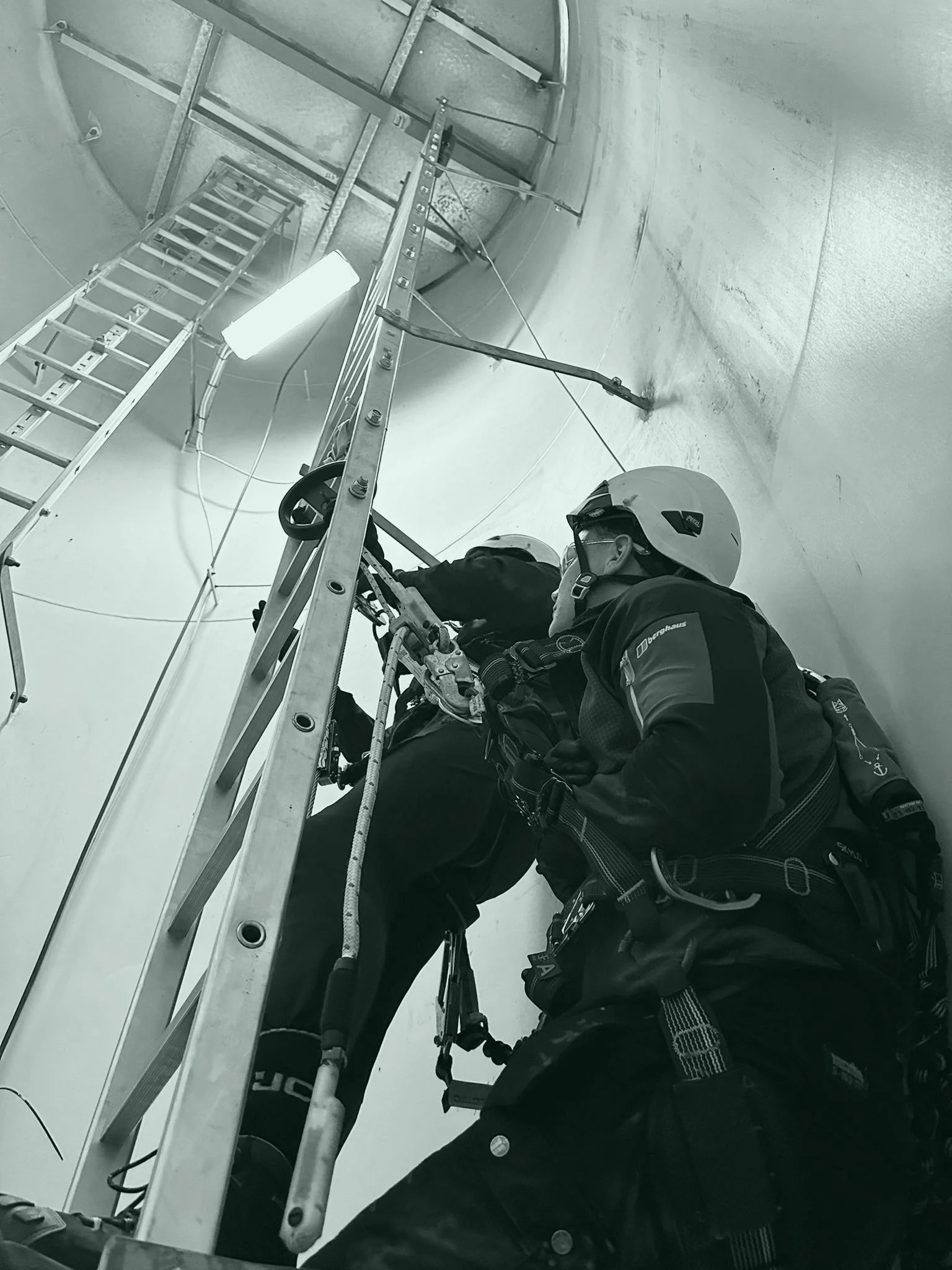
GWO - Working At Height
Duration: 1 Days | 0.5 Day Refresher
location: Blyth
Overview: This course makes up 1/5 of the GWO BST modules and can be taken as an initial module or as a refresher.
The training involves teaching how to use personal protective equipment, work safely at height and perform basic rescue operations in a remote turbine environment.
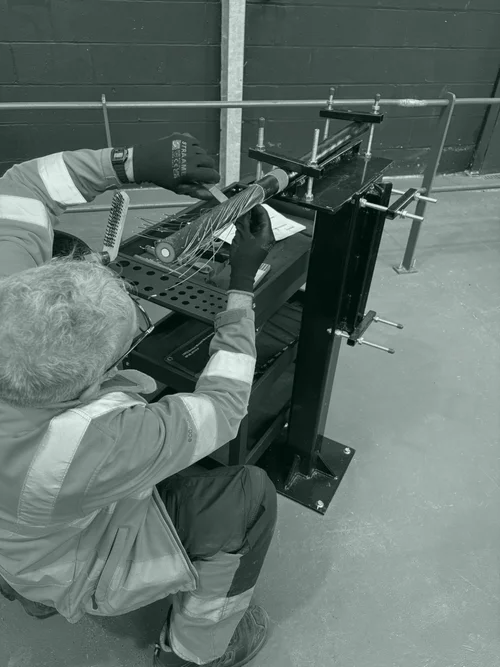
Field Technician Medium Voltage 33kV - City & Guilds Assured Programme
Duration: 5 Days
location: Blyth
Overview: Developed specifically for entrants into the offshore wind industry by cable experts with experience of installation/construction and maintenance contracts.
The course includes basics that you’ll be required to know for working as a cable technician
Get started
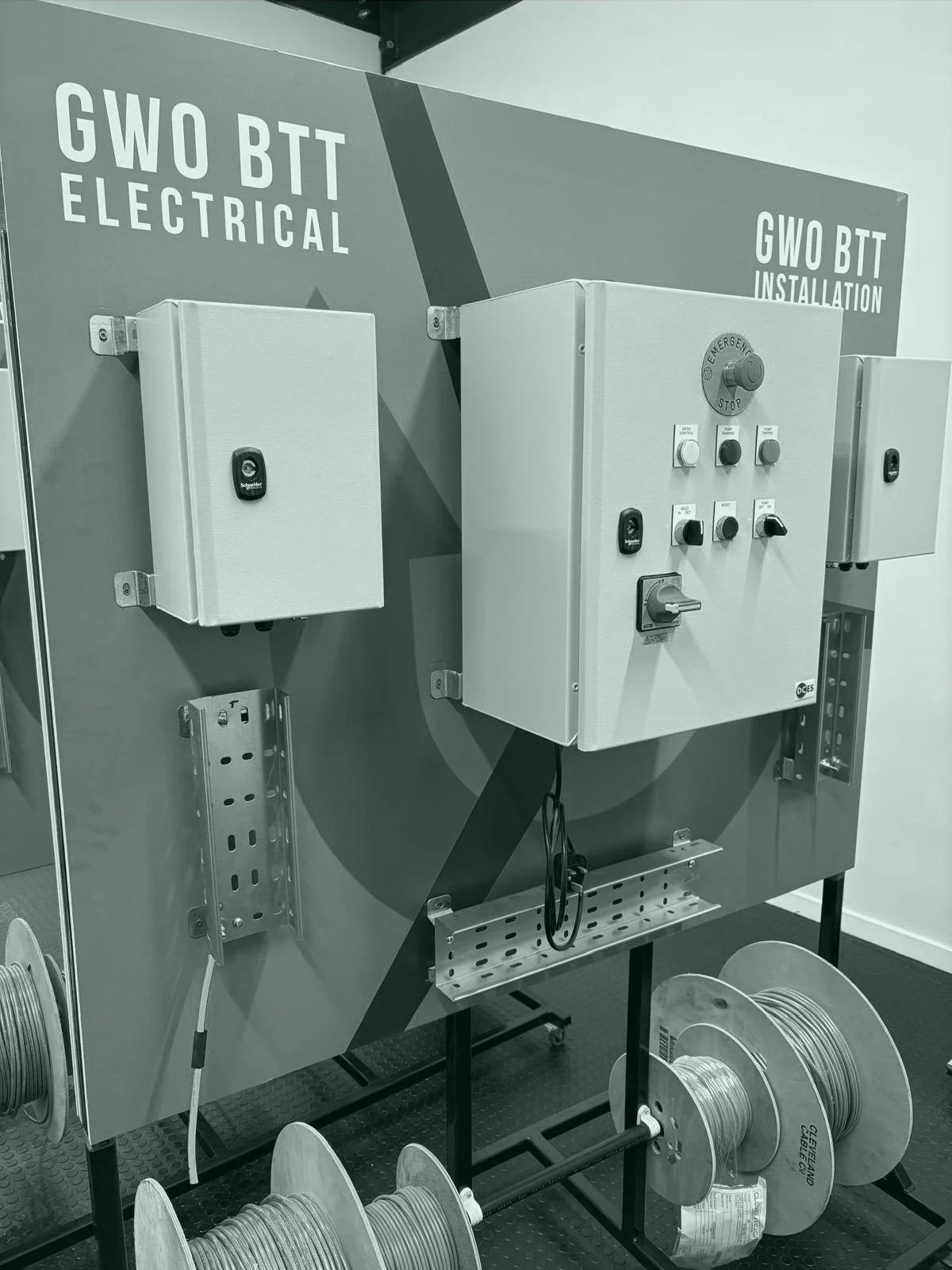
GWO - Basic Technical Training
Duration: 4 Days
location: Blyth
Overview: These modules provide the necessary training to perform basic servicing and maintenance tasks in a wind turbine environment under supervision and prepare participants to be prepared for company specific training. The Wind Academy additionally offer the GWO BTT Installation module (both mechanical and electrical) which can be booked upon successful completion of the modules above.
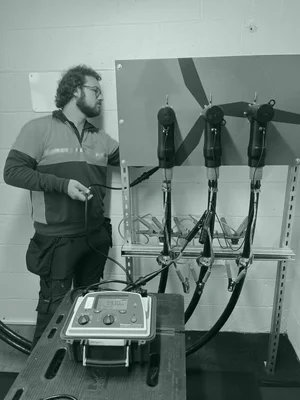
Subsea Cable Testing and Fault Location - City & Guilds Assured Programme
Duration: 5 Days
location: Blyth
Overview: Developed by industry experts from offshore wind to prepare engineers and technicians to successfully test and fault locate on subsea cables. Using specially designed test rigs for practical sessions with simulated faults that you’d encounter in the offshore environment.
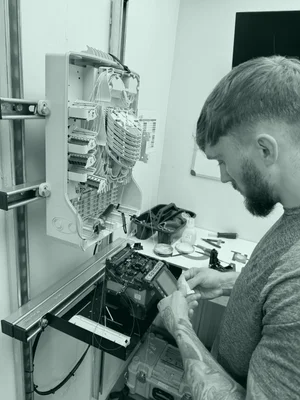
Field Technician Fibre Optic for Offshore Wind - City & Guilds assured programme
Duration: 5 Days
location: Blyth
Overview: Developed by leading industry experts who saw the need to bridge the gap between existing fibre optic training and the exact requirements of offshore wind.
- Cable Handling and routing
- Cable stripping
- Enclosures, components and materials
- Containment building
- Offshore wind orientation
- Glanding SWA cables
- Breaking into OPGW loose tubes
- Installations and earthing
- Fusion splicing
- Testing requirements including bare end adaptors
- OTDR Testing & Reporting
Next steps
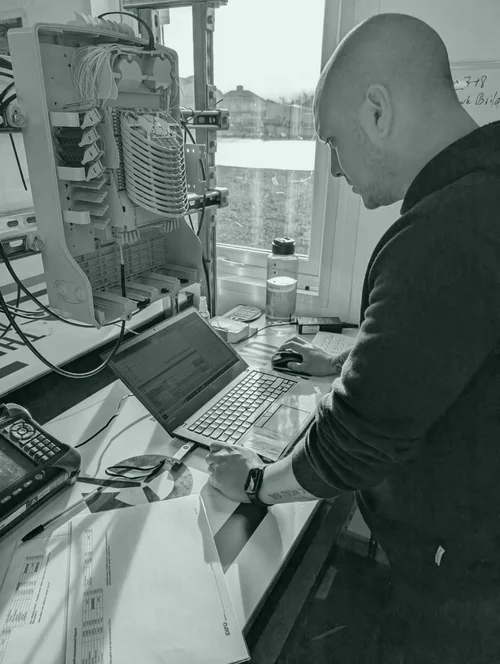
Advanced Fibre Optic Testing Analysis & Reporting - City & Guilds assured programme
Duration: 5 Days
location: Blyth
Overview: This course covers OTDR Set-up requirements and then a range of testing, fault location and FastReporter practical sessions. You'll need an understanding of how to test and use an OTDR but everything else will be covered, so you'll walk away at the end of the week understanding how to test any link or inter array string uni and bi-directional and produce reports with FastReporter.
It’s comprehensive and the aim is to give developers, Tier 1 contractors and T&T companies the confidence that anyone who has passed this course is knowledgeable and can test any offshore network.
GWO - Basic Technical Training Installation
Duration: 1 Day (2 Days Combined)
location: Blyth
Overview: The GWO BTT Installation module can either be taken as an Electrical module (BTTI - E) or as a Mechanical Module (BTTI - M). These modules are separate 1 day courses which can be booked alone or combined. These courses are designed to provide learners with the knowledge, skills and abilities to carry out basic installation tasks, using safe working procedures
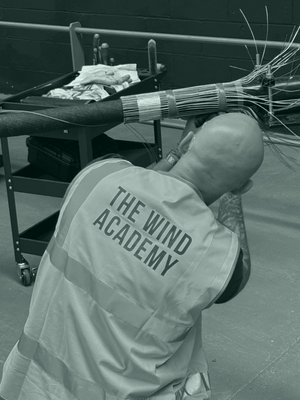
Field Technician High Voltage 66kV for Offshore Wind - City & Guilds Assured Programme
Duration: 5 Days
location: Blyth
Overview: Suitable for learners already experienced in cable jointing and termination. The course is delivered by industry cable experts with experience of installation/construction and maintenance contracts.
The course includes basics that you’ll be required to know for working as a cable technician.
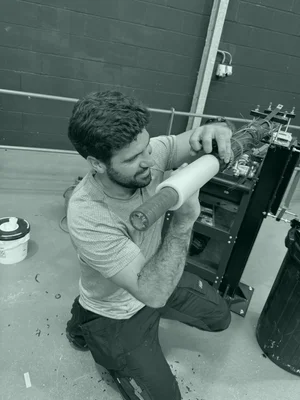
High Voltage Jointing and Termination NKT 72kV
Duration: 2 Days
location: Blyth
Overview: Hands on training course led by experienced trainers, covering all aspects of accessory installation for the NKT72CB product. Our professional trainers will provide clear theoretical understanding of the subject, leaving cable jointers much better placed to complete projects on time and in a problem-free way.
Successful completion of test piece will result in NKT certification on this product.